Discover the Magnificent Hofburg Palace in Vienna
The Vienna Hofburg Palace is one of the most impressive and historically significant landmarks in Austria. Located in the heart of Vienna, the Hofburg served as the principal residence of the Habsburg dynasty for more than six centuries. Today, it is one of the most visited attractions in Vienna, drawing millions of tourists every year who want to experience Austria’s imperial history, stunning architecture, world-class museums, and cultural heritage.
Whether you are planning a short city break or an extended stay in Vienna, a visit to the Hofburg Palace is an absolute must. This magnificent complex offers visitors a unique opportunity to step into the world of emperors, empresses, royal ceremonies, and fascinating historical events that shaped Europe.
The History of Hofburg Palace
The origins of the Hofburg date back to the 13th century when the first sections of the fortress were built. Over the centuries, successive rulers expanded the complex, transforming it into one of the largest palace complexes in the world.
For more than 600 years, the Hofburg was the political and administrative center of the powerful Habsburg Empire. The Habsburg family ruled vast territories across Europe, making Vienna one of the continent’s most influential capitals.
Each emperor contributed new buildings, wings, courtyards, and architectural styles to the palace complex. As a result, visitors today can admire a fascinating blend of Gothic, Renaissance, Baroque, Rococo, and Historicist architecture within a single location.
Following the collapse of the Austro-Hungarian Empire in 1918, the Hofburg ceased to be an imperial residence. Today, it serves as the official workplace and residence of the Austrian Federal President while also housing several museums, cultural institutions, and historical attractions.
The Architecture of Hofburg Palace
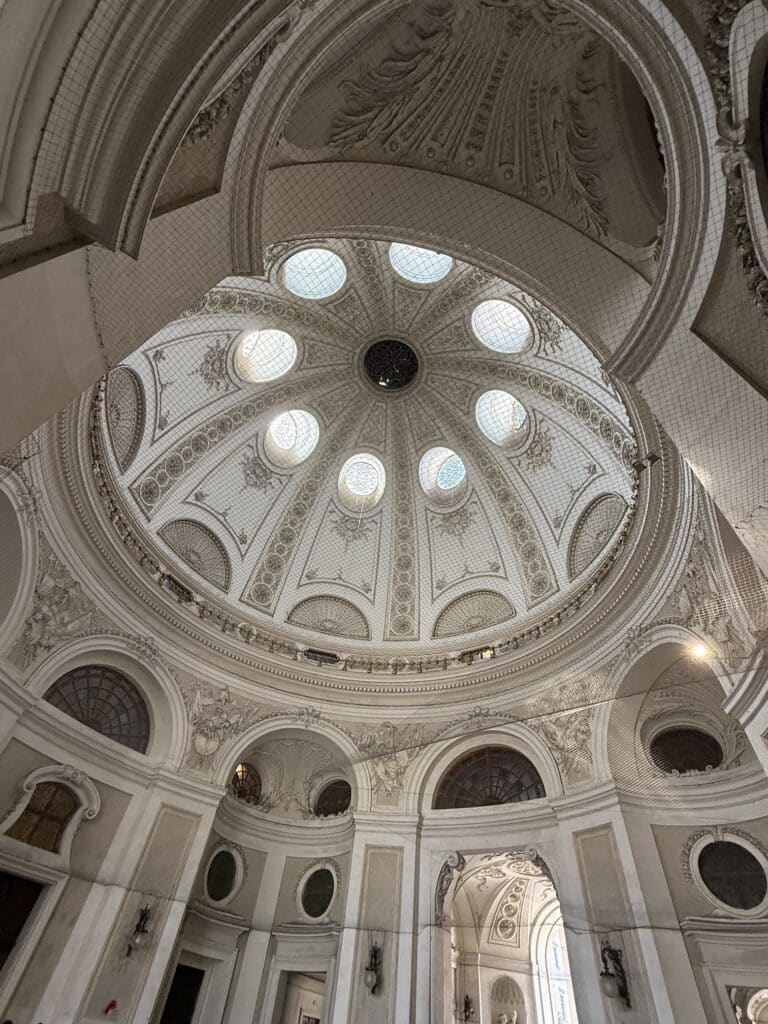
One of the most remarkable aspects of the Hofburg is its architectural diversity. Since construction and expansion took place over many centuries, the palace reflects a wide range of artistic and architectural influences.
The palace complex covers approximately 240,000 square meters and contains:
- More than 2,600 rooms
- Numerous courtyards
- Historical squares
- Museums
- Libraries
- Government offices
- Chapels
Among the most striking features are the grand facades, elegant domes, majestic staircases, and richly decorated interiors that showcase the wealth and power of the Habsburg rulers.
Visitors often spend several hours exploring the extensive grounds and discovering the various attractions located within the palace complex.
The Imperial Apartments
One of the highlights of the Hofburg Palace is the Imperial Apartments.
These lavish rooms once served as the private living quarters of Emperor Franz Joseph I and his wife, Empress Elisabeth, better known as Sisi.
The apartments provide fascinating insights into royal life during the 19th century. Visitors can explore:
- Reception rooms
- Private chambers
- Dining rooms
- Study rooms
- Audience halls
The beautifully preserved interiors feature original furniture, luxurious decorations, elegant chandeliers, and valuable artworks that illustrate the splendor of the imperial court.
The apartments offer a rare glimpse into the daily lives of Austria’s most famous royal family.
The Sisi Museum
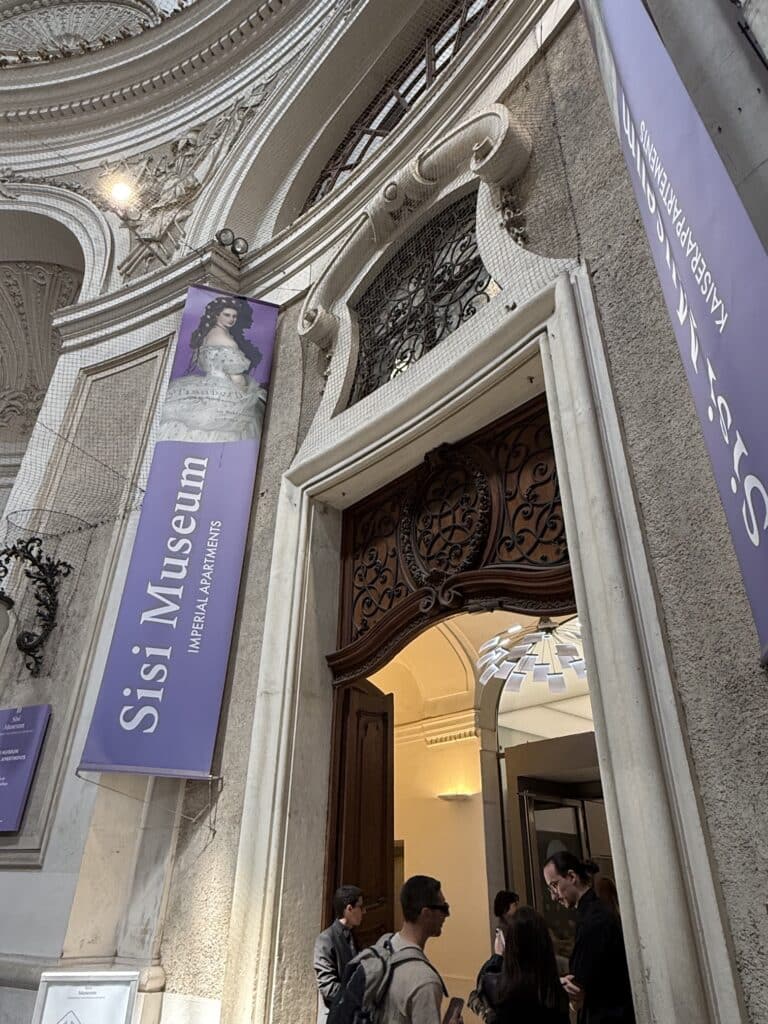
The Sisi Museum is one of the most popular attractions within the Hofburg.
Empress Elisabeth of Austria remains one of the most beloved and mysterious figures in European history. Known for her beauty, intelligence, and unconventional lifestyle, Sisi has fascinated generations of visitors.
The museum presents a comprehensive overview of her life through:
- Personal belongings
- Original dresses
- Portraits
- Letters
- Jewelry
- Historical documents
Visitors can learn about her travels, her struggles with court life, her passion for fitness, and the tragic circumstances surrounding her assassination in 1898.
For many travelers, the Sisi Museum is one of the most memorable experiences in Vienna.
The Imperial Treasury
The Imperial Treasury, also known as the Schatzkammer, houses one of the world’s most important collections of royal treasures.
The collection includes:
- Imperial crowns
- Scepters
- Orbs
- Ceremonial robes
- Religious relics
- Precious gemstones
Among the most famous exhibits is the Imperial Crown of the Holy Roman Empire, one of the most significant symbols of European monarchy.
The Treasury provides a fascinating journey through centuries of political, religious, and cultural history.
The Spanish Riding School
Another world-famous attraction within the Hofburg complex is the Spanish Riding School.
Founded in 1572, it is the oldest riding school in the world that continues to operate according to its original traditions.
The school is renowned for its highly trained Lipizzaner horses, which perform elegant dressage routines that showcase centuries-old equestrian techniques.
Visitors can attend:
- Training sessions
- Guided tours
- Spectacular performances
The beautiful Winter Riding School itself is considered an architectural masterpiece and is one of Vienna’s most iconic venues.
The Austrian National Library
The Austrian National Library is another highlight of the Hofburg.
Its magnificent State Hall is often regarded as one of the most beautiful libraries in the world.
Features include:
- Stunning frescoes
- Marble columns
- Ornate wooden bookshelves
- Historic globes
- Thousands of rare books
The breathtaking Baroque interior attracts visitors from around the globe and is a paradise for history lovers, architecture enthusiasts, and photographers.
Heldenplatz and the Palace Grounds
Heldenplatz, or Heroes’ Square, forms part of the Hofburg complex and has played an important role in Austrian history.
The square is surrounded by impressive architecture and features statues honoring Austrian military leaders.
Today, Heldenplatz hosts public events, celebrations, and cultural activities throughout the year.
The spacious grounds surrounding the palace offer excellent opportunities for sightseeing, photography, and relaxation.
Visiting Hofburg Palace
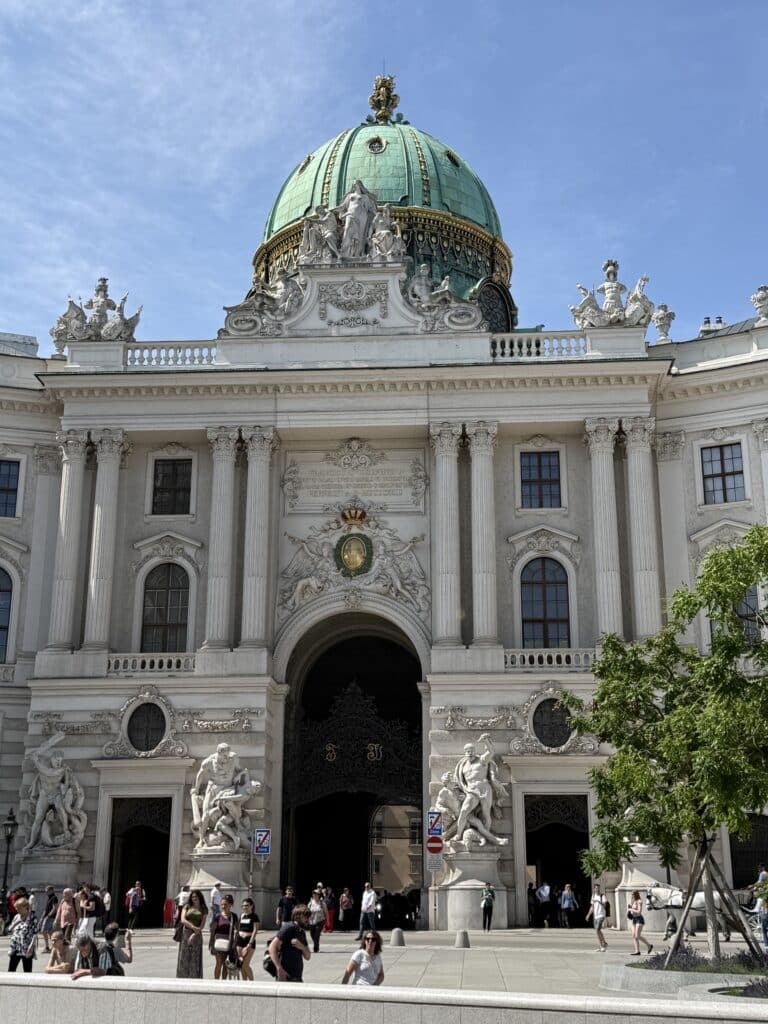
The Hofburg is conveniently located in Vienna’s historic city center and can easily be reached by public transportation.
Nearby attractions include:
- St. Stephen’s Cathedral
- Albertina Museum
- Vienna State Opera
- Burggarten
- Kunsthistorisches Museum
- Natural History Museum
Many visitors combine several of these attractions during a single day of sightseeing.
To fully appreciate the Hofburg, it is recommended to allow at least three to four hours for your visit.
Best Time to Visit Hofburg Palace
The Hofburg can be visited year-round, but spring and autumn are particularly pleasant due to mild weather and smaller crowds.
Summer is the busiest tourist season, while winter offers a magical atmosphere, especially during the Christmas season when Vienna’s festive markets attract visitors from around the world.
Early morning visits often provide a more relaxed experience and shorter waiting times.
Why Hofburg Palace Is a Must-See Attraction in Vienna
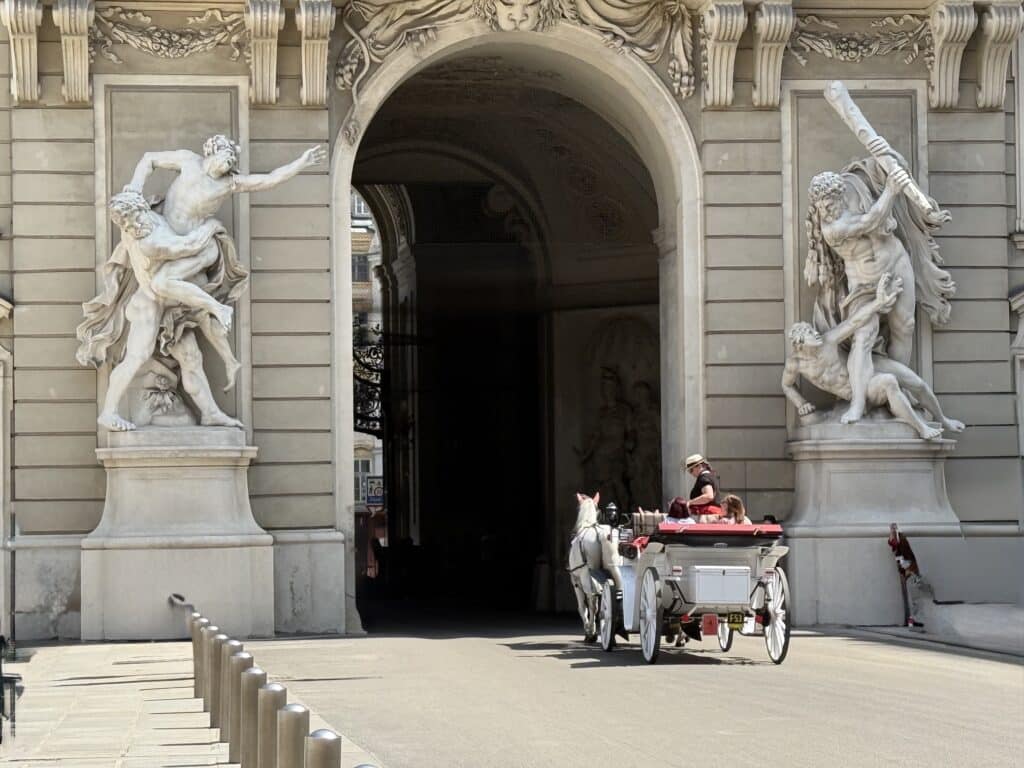
Few places in Europe offer such a rich combination of history, architecture, culture, and royal heritage as the Vienna Hofburg Palace.
From the Imperial Apartments and the fascinating Sisi Museum to the world-famous Spanish Riding School and the priceless treasures of the Imperial Treasury, the Hofburg offers unforgettable experiences for visitors of all ages.
Whether you are interested in Austrian history, European royalty, stunning architecture, or simply exploring one of Vienna’s most iconic landmarks, the Hofburg Palace deserves a place at the top of your travel itinerary.
A visit to the Hofburg is more than just sightseeing—it is a journey through centuries of imperial history that continues to shape the identity and culture of Vienna today.